
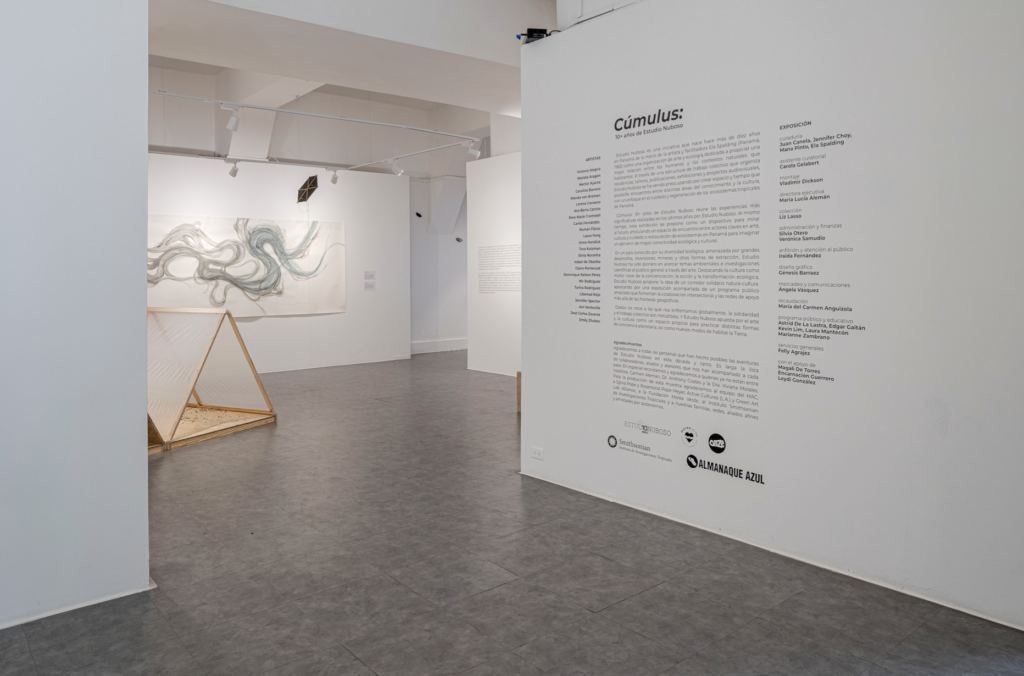
Cumulus: 10+ years of Estudio Nuboso
Victoria Alegría, Mariela Aragón, Héctor Ayarza, Carolina Borrero, Wanda von Bremen, Lorena Carrasco, Ana Berta Carrizo, Rose Marie Cromwell, Carlos Fernández, Román Flórez, Laura Fong Prosper, Anna Handick, Tova Katzman, Silvia Noronha, Isabel de Obaldía, Claire Pentecost, Dominique Ratton Pérez, Mir Rodríguez, Tarina Rodríguez, Libertad Rojo, Jennifer Spector, Ani Ventocilla, José Carlos Zavarse, Emily Zhukov
Curated by Juan Canela, Jennifer Choy, Mana Pinto and Ela Spalding
MAC – Contemporary Art Museum of Panama. 20 February – 10 August 2025
Cumulus is the meeting, union or sum of many non-material things. And cumulus is also a type of cotton-like cloud that can form in rows or in groups, which can often be seen on sunny days. Depending on the effects of other atmospheric factors, like instability, humidity, and thermal gradient, cumulus are precursors to other types of clouds, which can lead to precipitation.
Estudio Nuboso is an initiative born more than ten years ago in Panama founded by artist~facilitator Ela Spalding (Panama, 1982) as an organization of art and ecology dedicated to encouraging a better relationship between humans and the natural contexts we inhabit. Through a collective and flexible work structure that organizes residencies, workshops, publications, exhibitions and audiovisual projects, Estudio Nuboso has been concerned with creating space and time to connect with the environment, and with human and more-than-human communities, focusing on the care, research and regeneration of the Panamanian tropical ecosystems. Throughout this time, Estudio Nuboso has been generating a cumulus of collaborators, gathering allied particles that join forces depending on the project, and then reorganize themselves in diverse configurations.
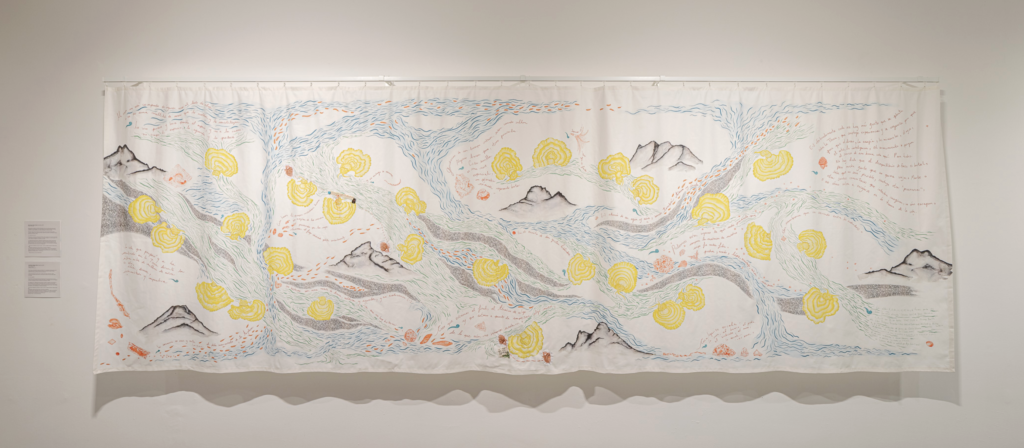
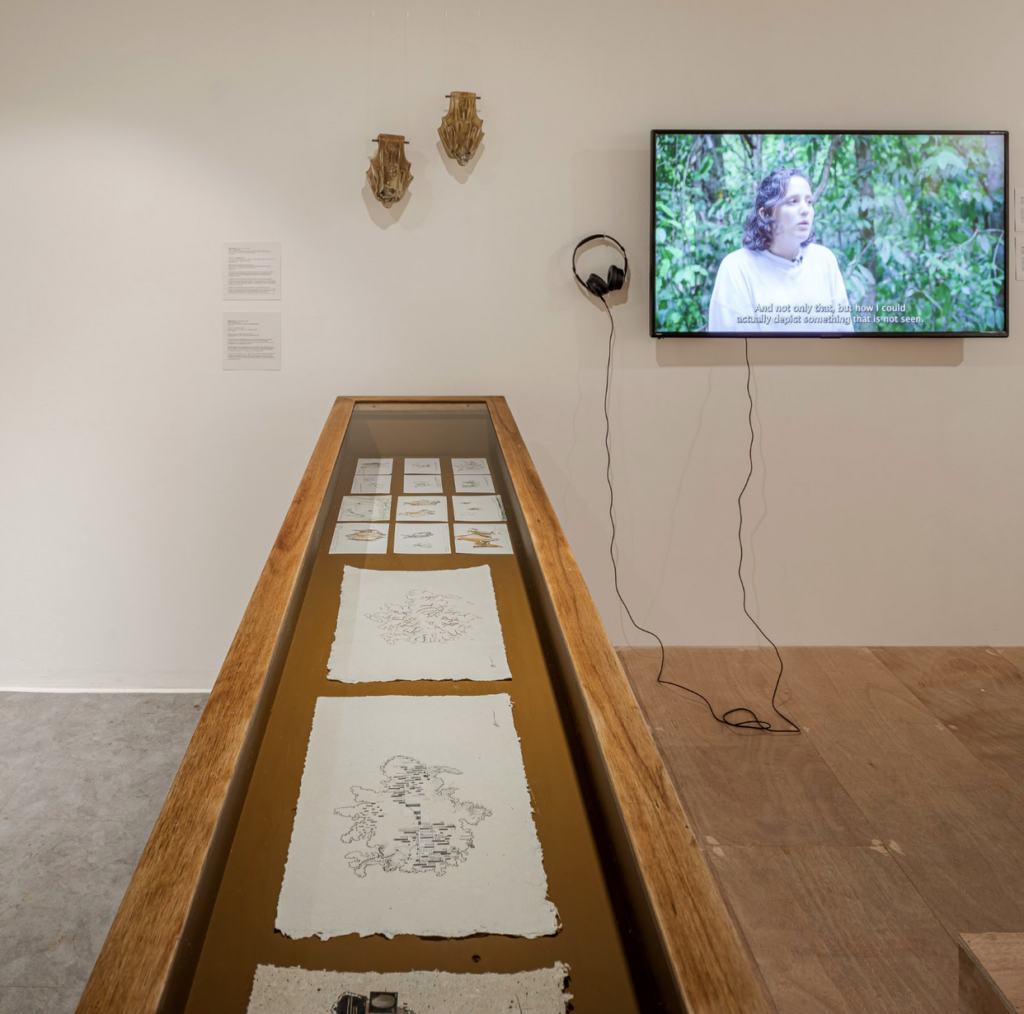
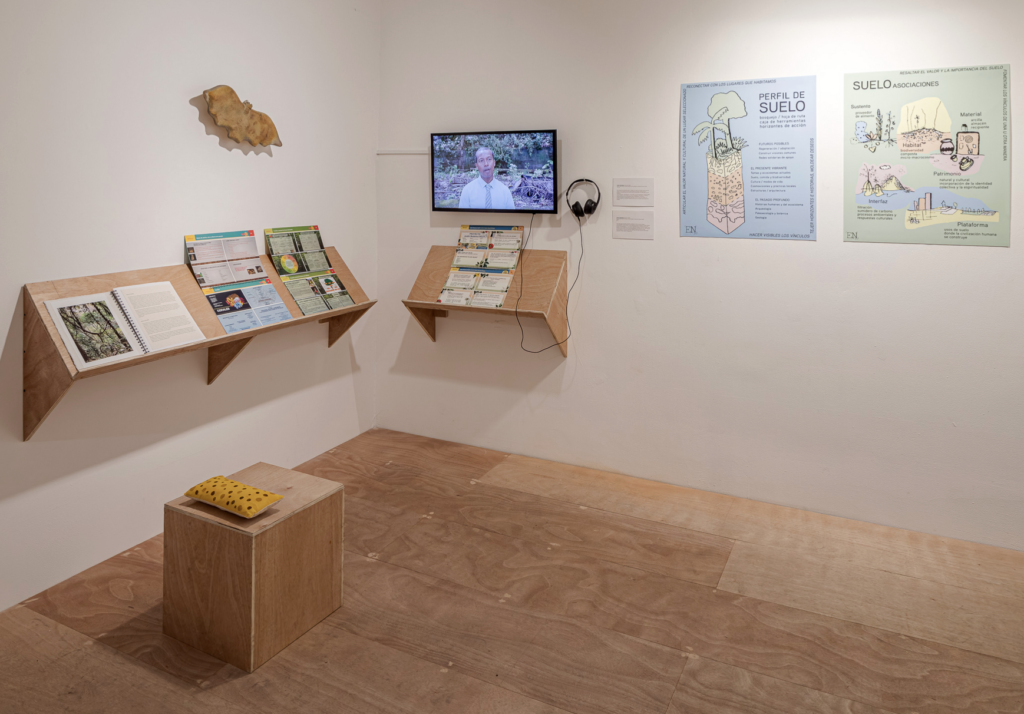
Cumulus: 10+ years of Estudio Nuboso gathers the most significant experiences carried out in recent years by Estudio Nuboso, making it possible to reflect on this journey. Rooted in the territory, one of the main projects is SUELO (SOIL), an open, horizontal and multidisciplinary methodology, designed to reconnect with the spaces that we inhabit through the concept, metaphor, and materiality of soil as sustenance, home, earth and territory. Seeking to articulate the natural and cultural value of a place, SUELO weaves networks of solidarity collaboration, promoting regenerative practices of collective creation for the construction of a better present and future. Here we can find the resulting works from processes carried out in Veraguas in 2014, Bocas de Ceniza, Colombia in 2022, or the development of the methodology and its field guide, a work in progress since 2020. Moreover, Soil-erg (2012) a piece by Claire Pentecost, is shown as a key inspiration for what later came to be developed.
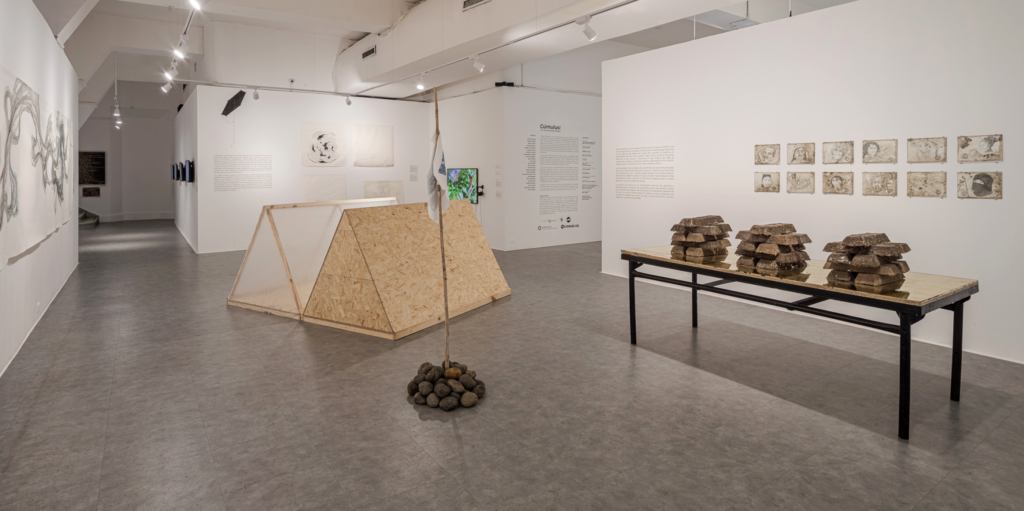
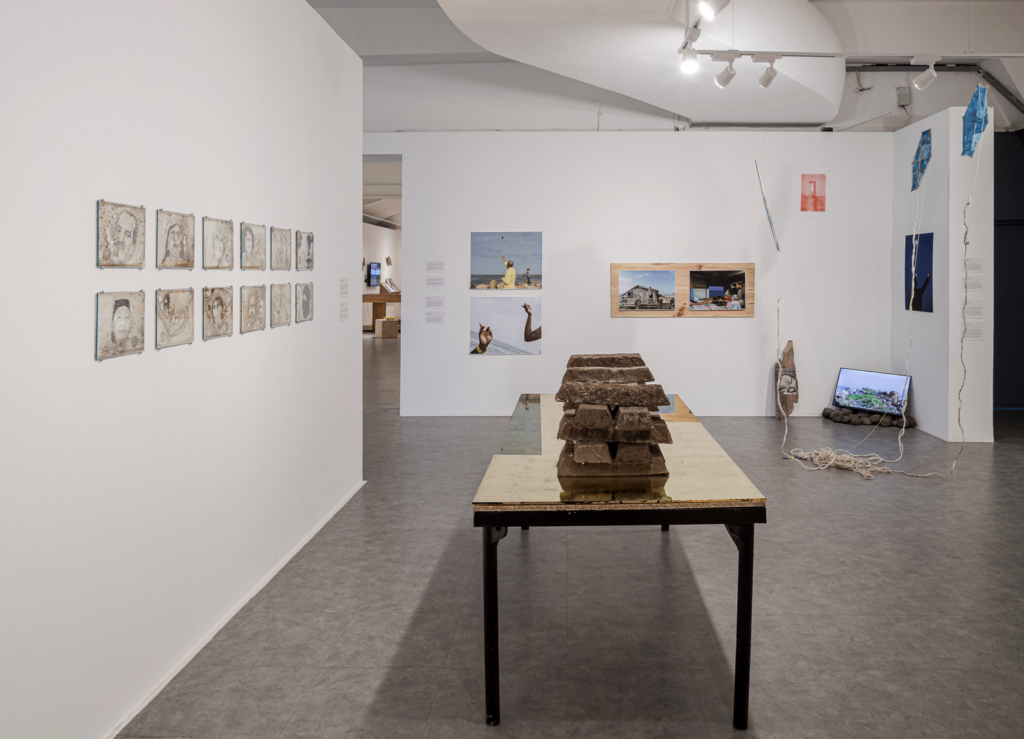
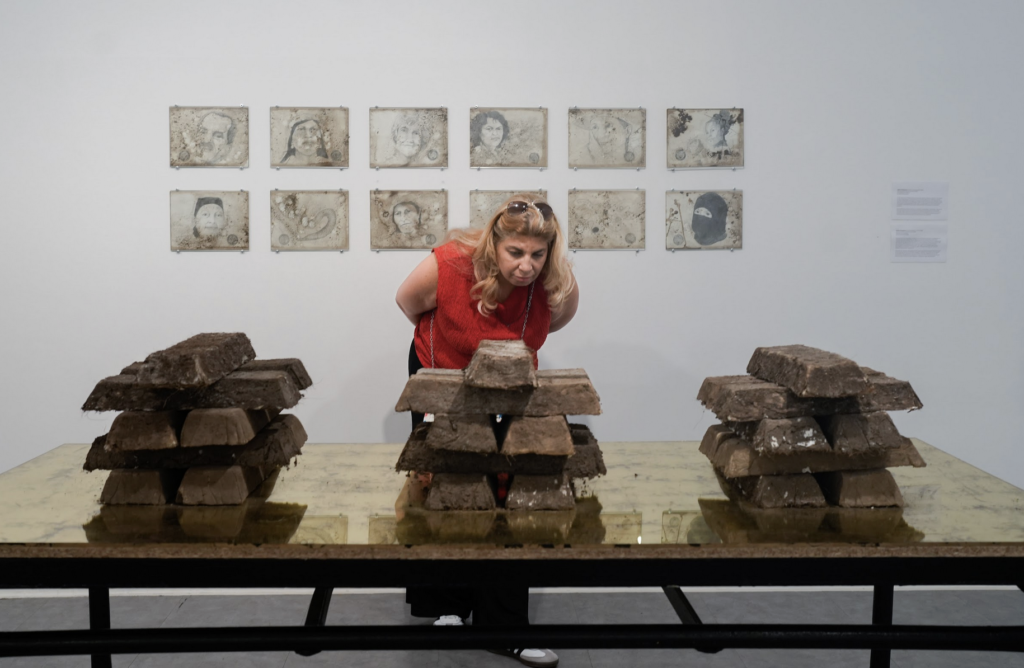
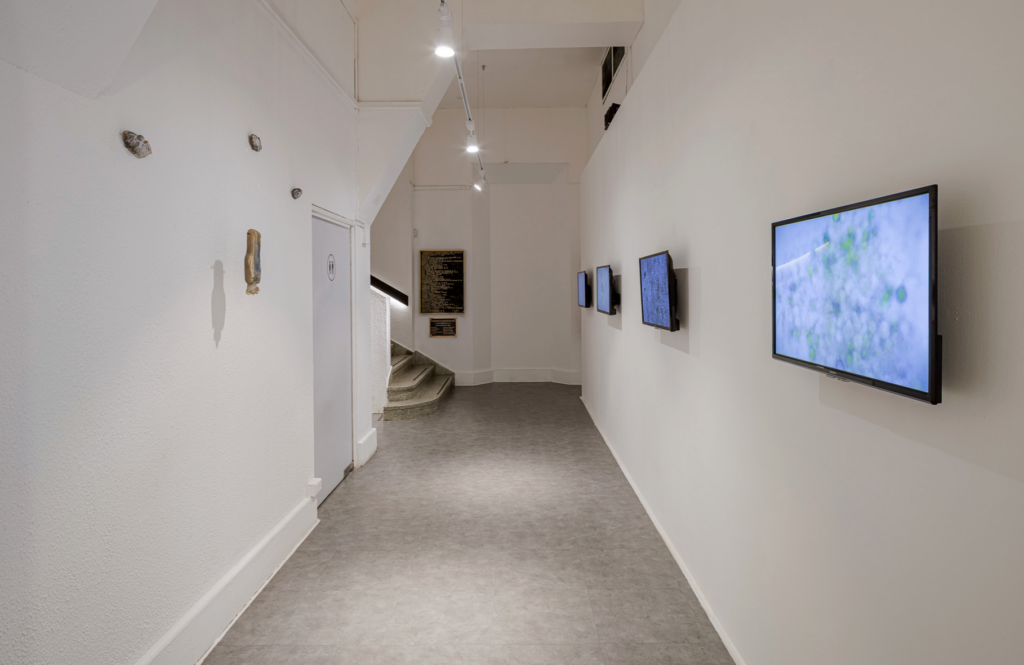
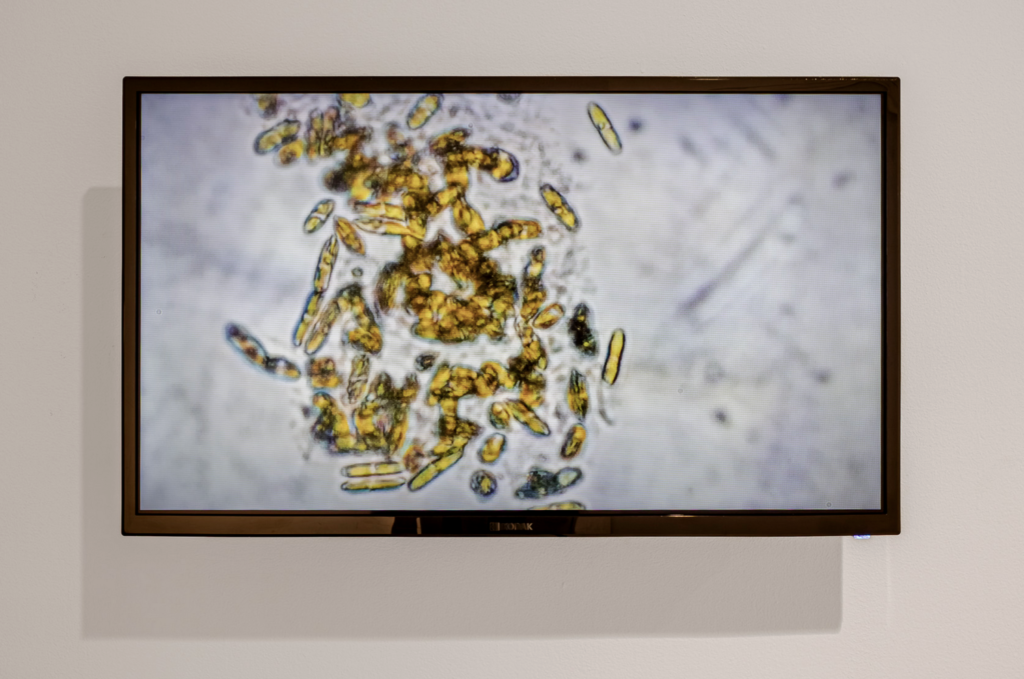
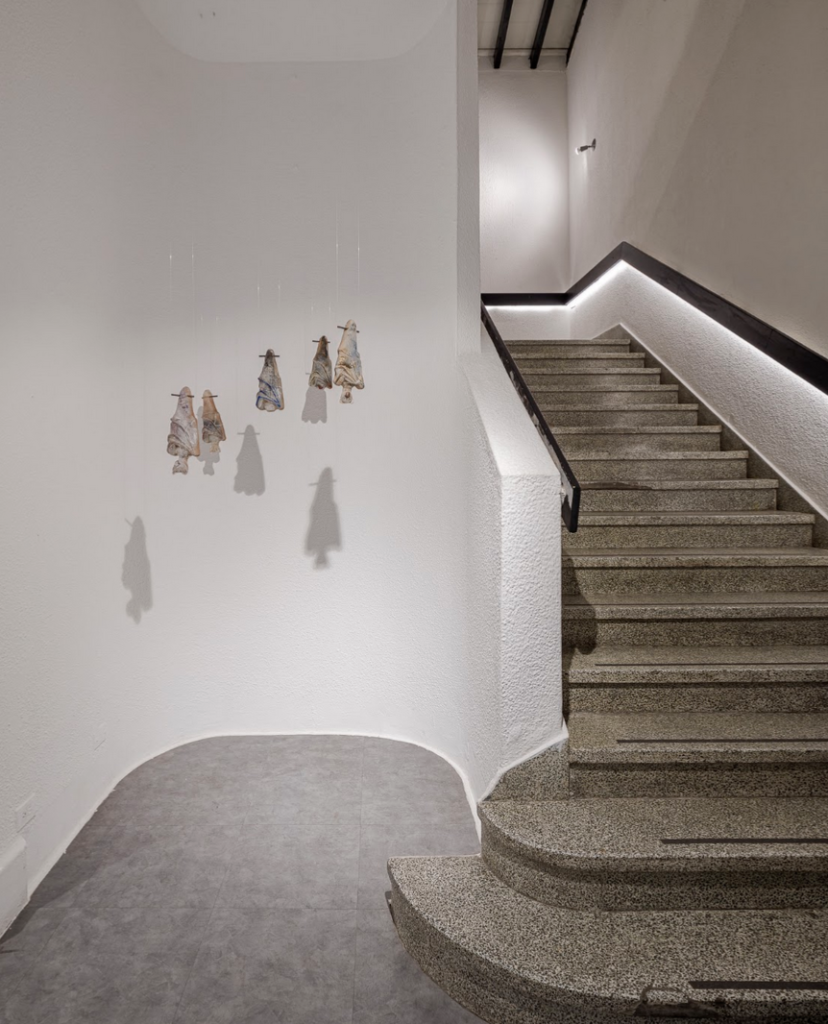
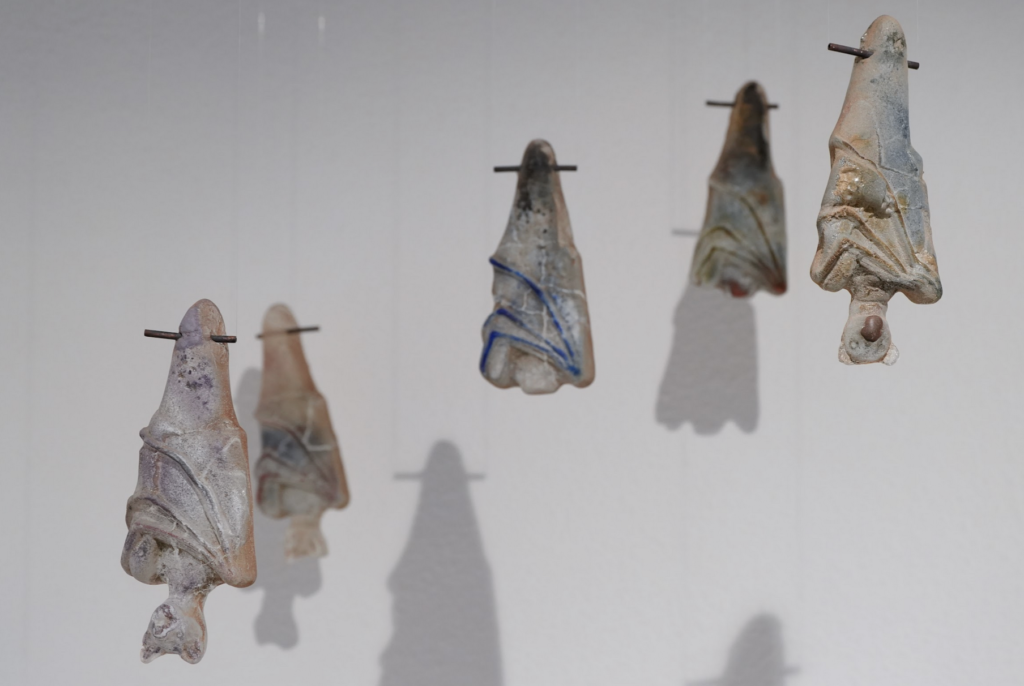
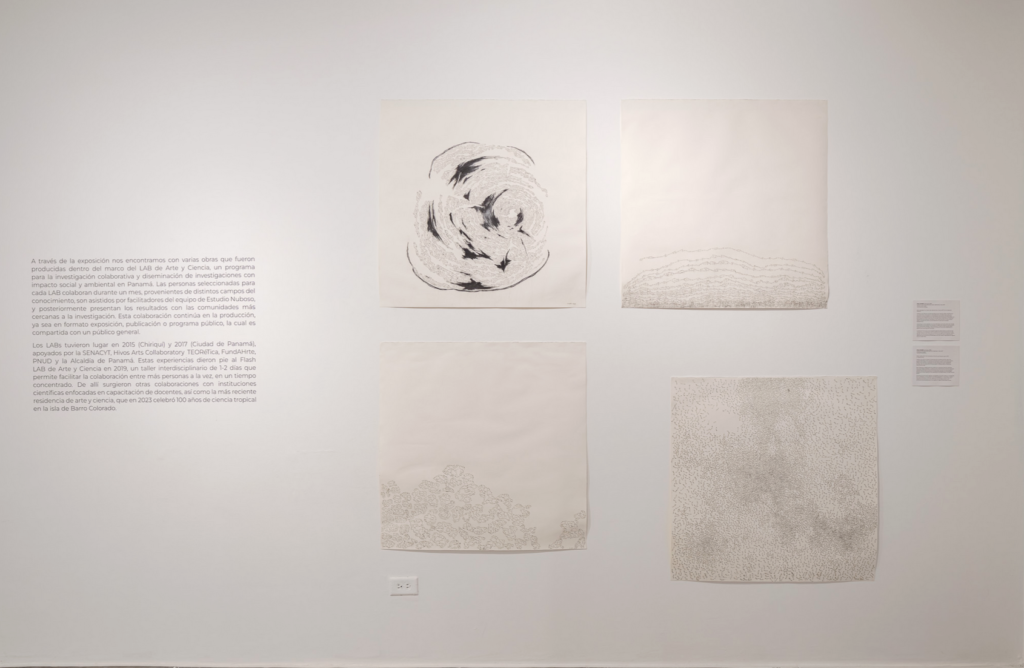
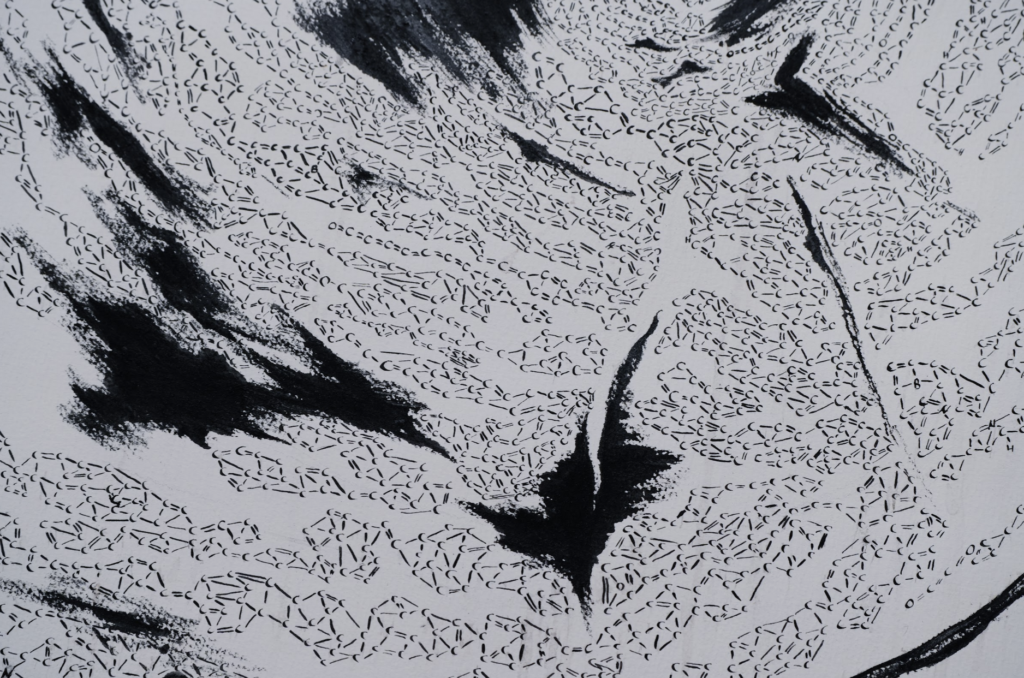
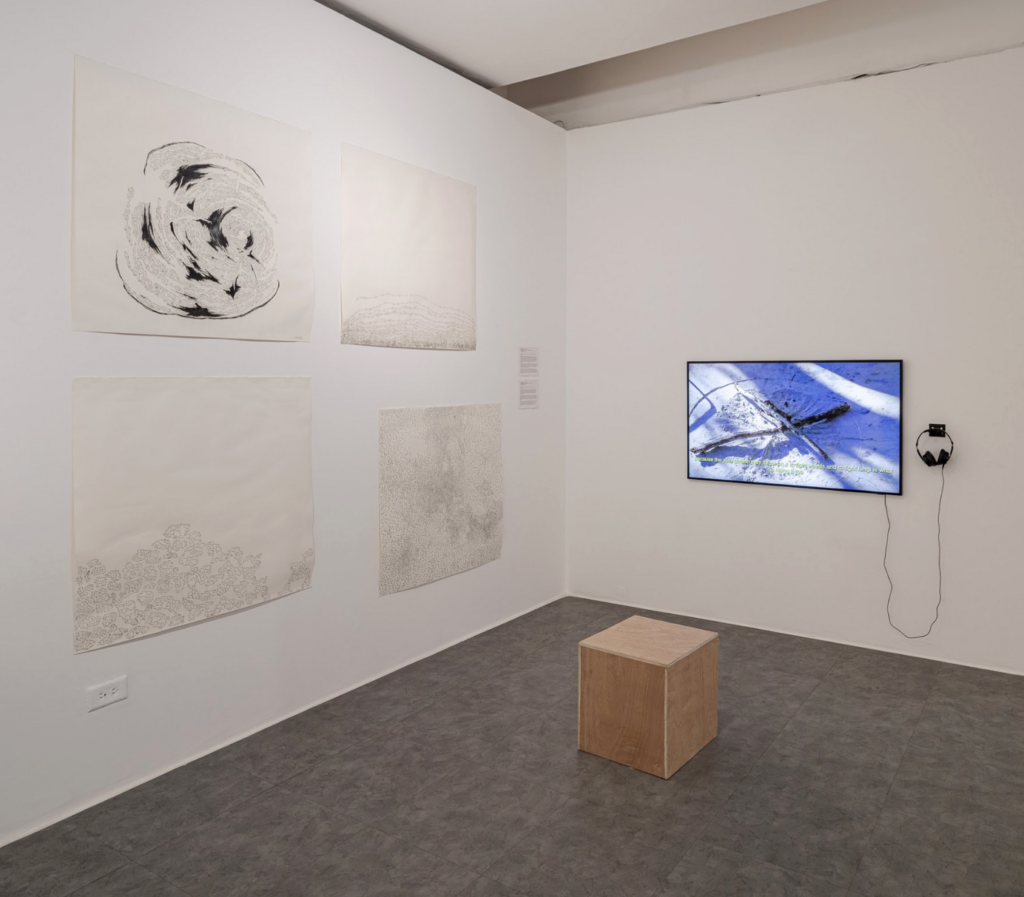
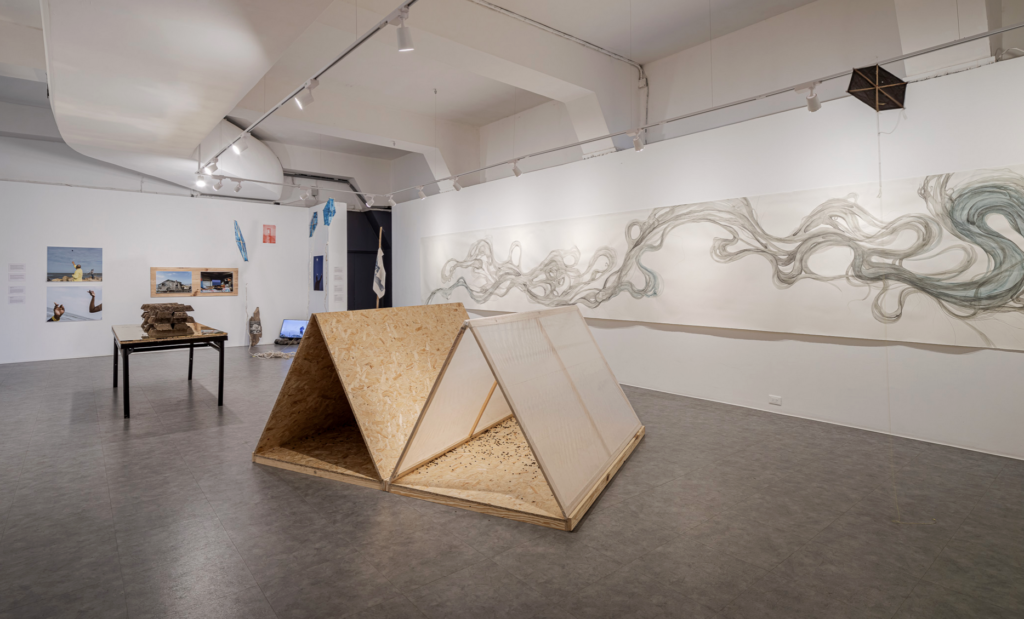
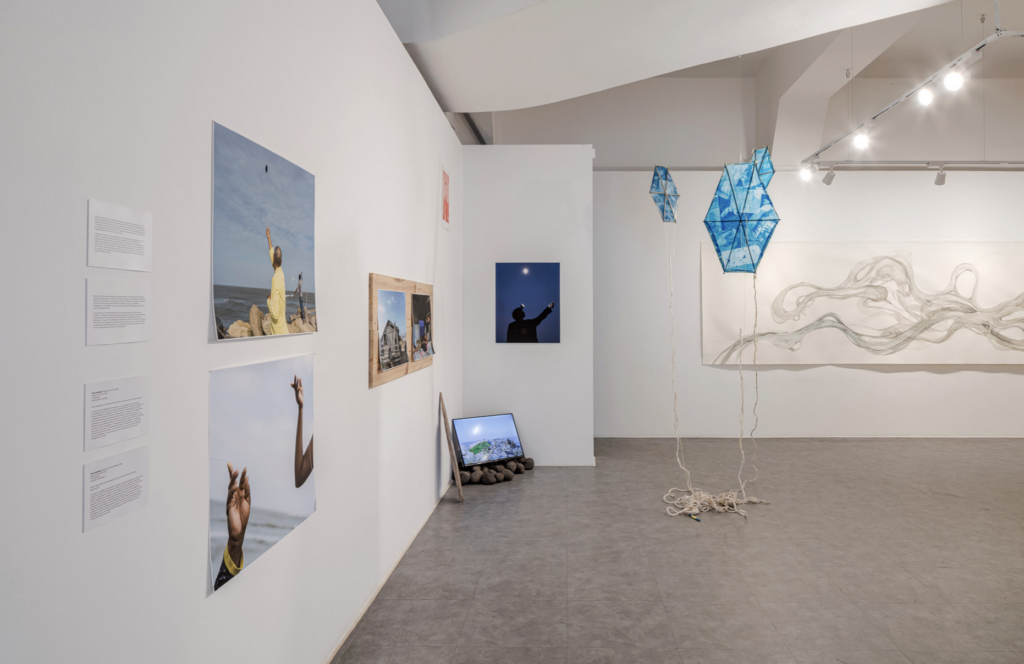
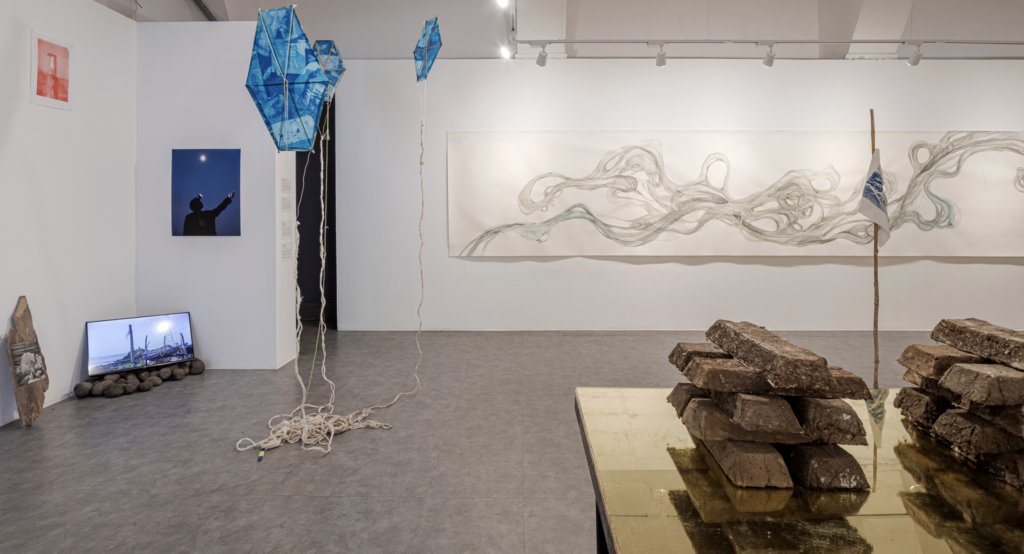
Also present are several works produced within the frame of the Art and Science LAB, a collaborative, interdisciplinary, public outreach program that encourages collaboration between artists and scientists with research that has a social impact. The LABs took place in 2015 in Chiriqui and in 2017 in Panama City; later, in 2019, the Art and Science Flash LAB takes place as a two-day interdisciplinary workshop in Casa del Soldado – Centro Cultural de España, co-organized by Estudio Nuboso and FundAHrte, with the support of SENACYT and other organizations. These experiences brought about other Flash LABs and collaborations focused on the Ministry of Education’s teachers training programs with organizations such as the Smithsonian Tropical Research Institute (STRI) and the Marea Verde Foundation. In 2023, along with the Museo del Canal Interoceánico and STRI, an Art and Science Residency program was created to celebrate the 100 years of the Barro Colorado Island and its ongoing dialogue around tropical science.
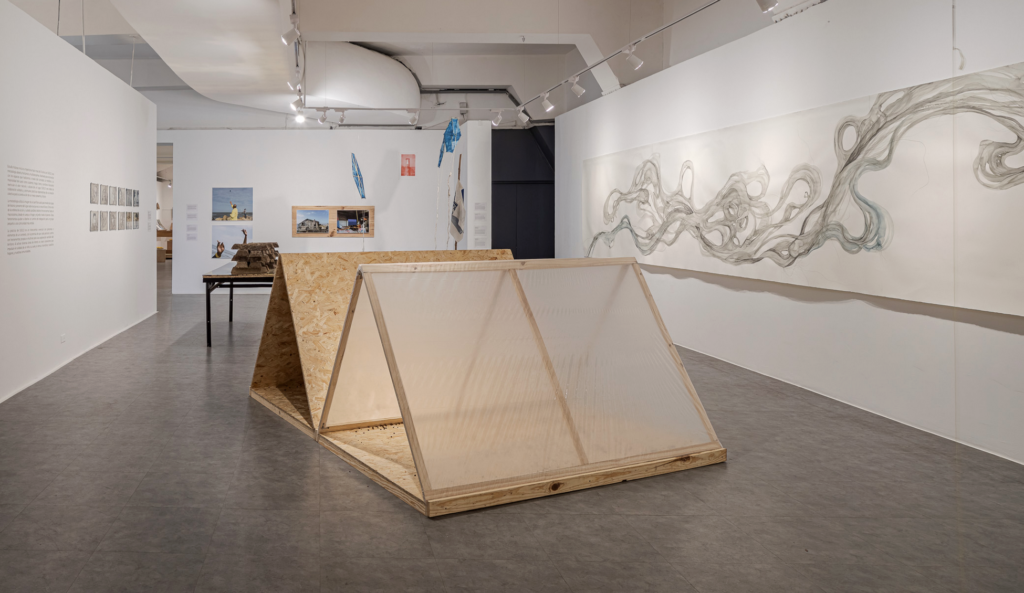
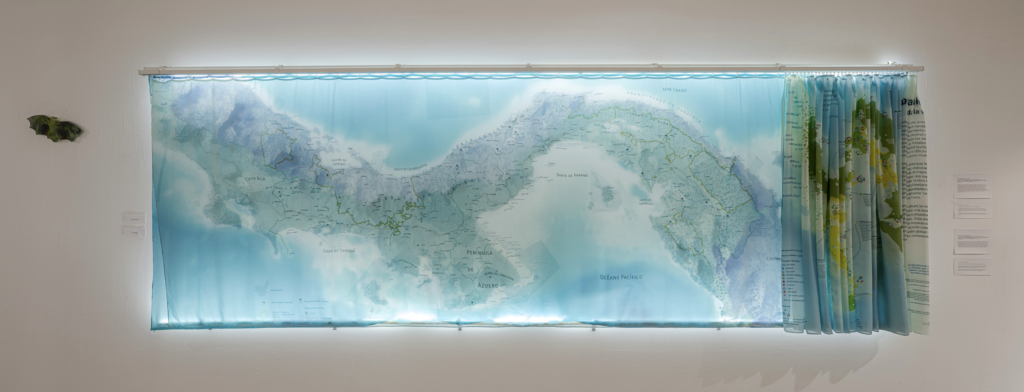
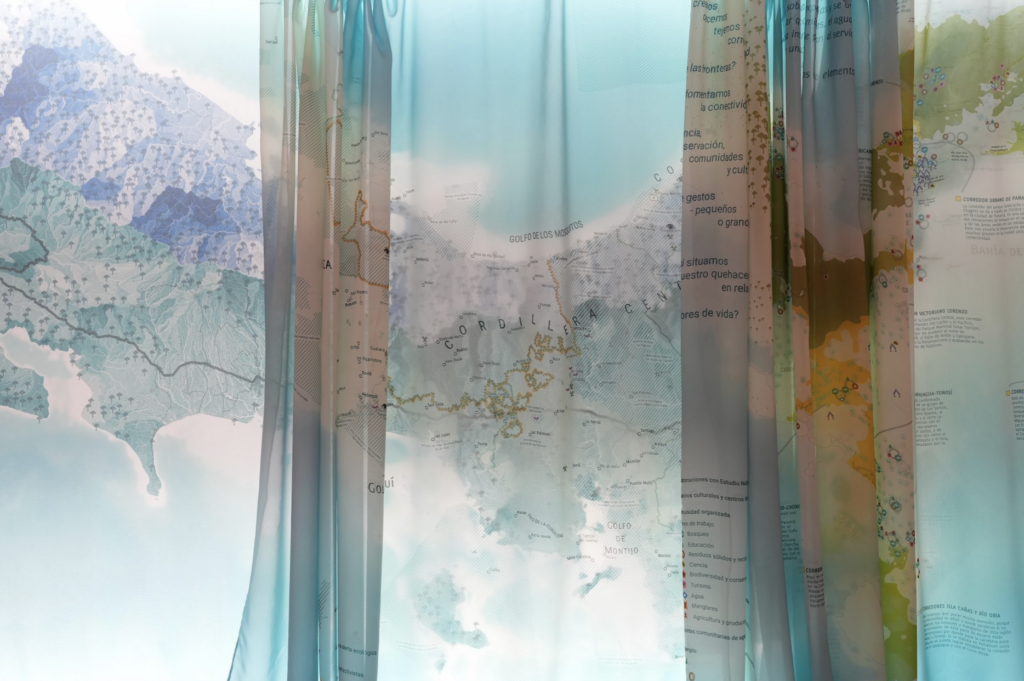
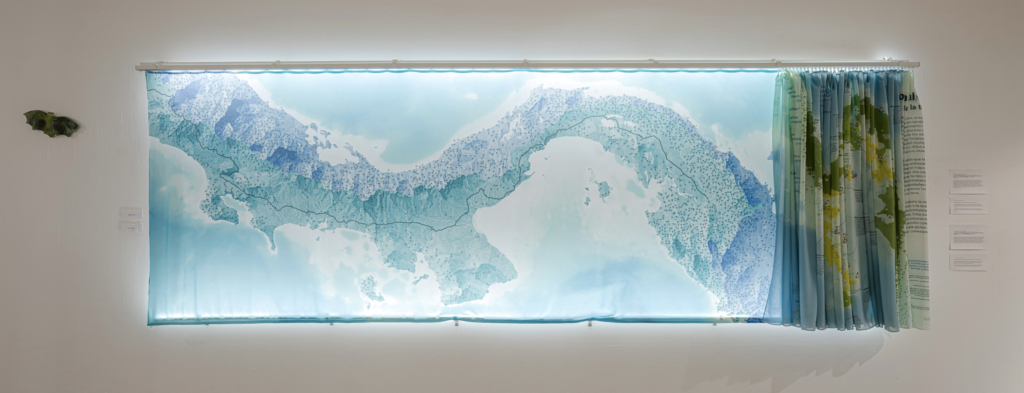
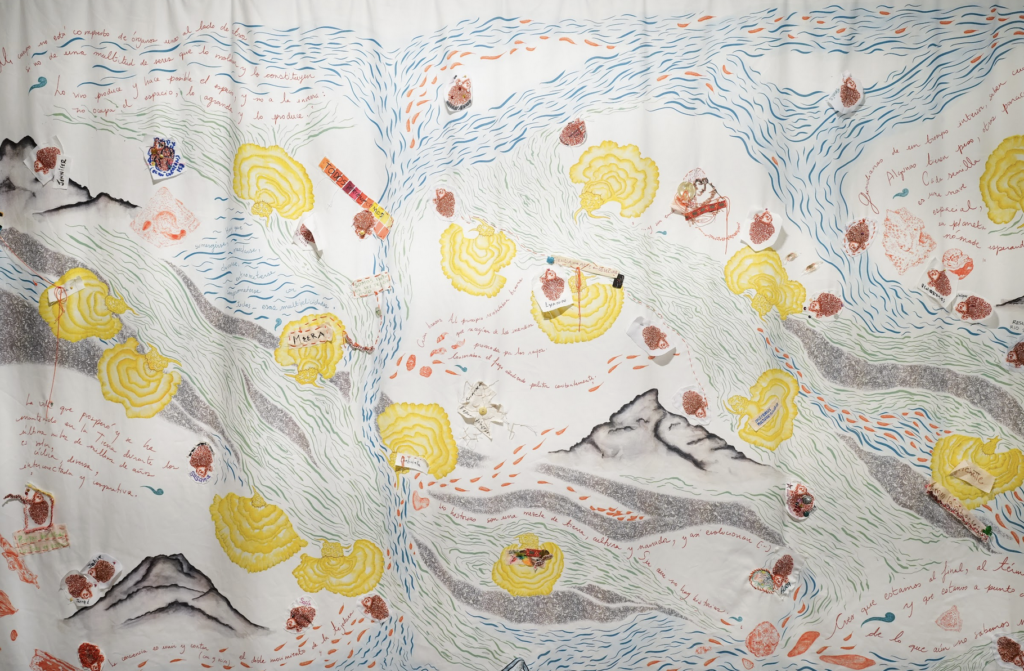
At the same time, this exhibition is proposed as a forward-facing device, articulating a meeting space for key agents in art, culture, care, restoration and research of ecosystems in Panama to imagine a future of greater ecological and cultural connectivity. In this sense, the Panarte space will morph continuously during the exhibition as a result of various dynamics around the Nature-Culture Corridors Map. A collaboration between Estudio Nuboso, Almanaque Azul and Dominique Ratton Pérez, who, by adding one more layer to the map, creates a “system of echoes” that is built in a participatory way to weave gestures of planetary solidarity. The agents in Panama who are caring for and creating the conditions that allow life in the territory are thus made visible, offering an overview of the challenges, but also of hope in collective action.
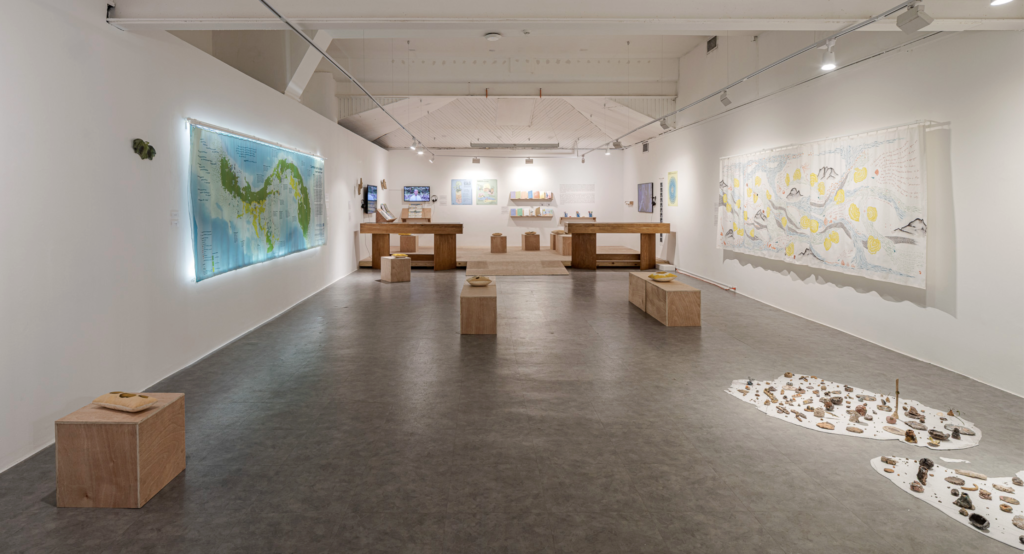
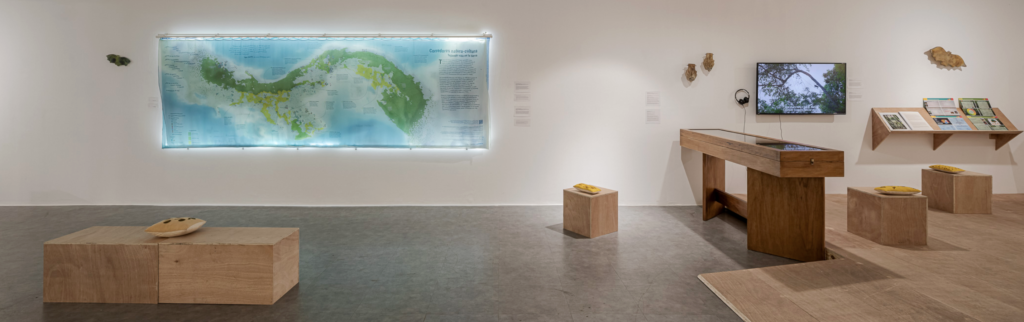
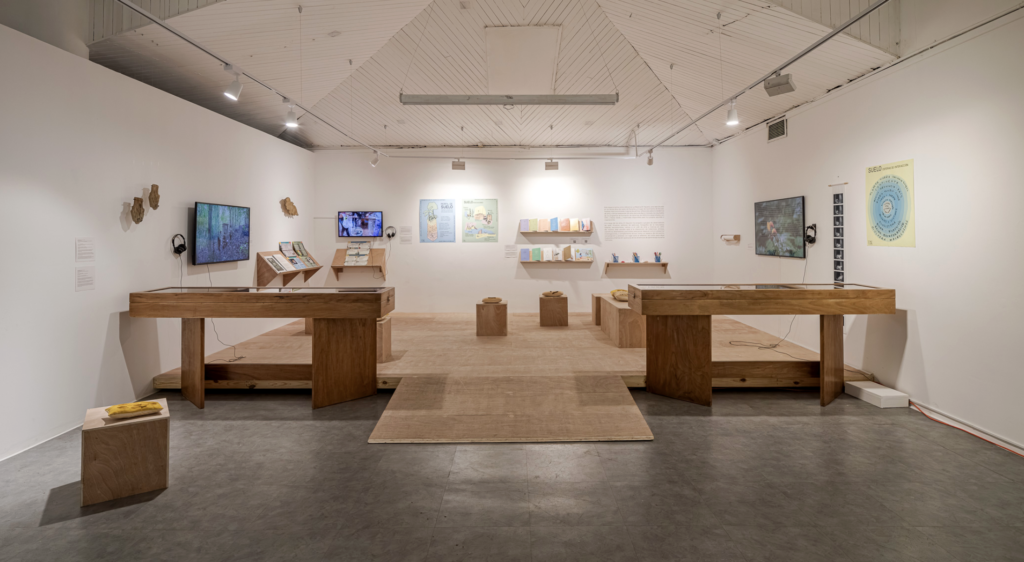
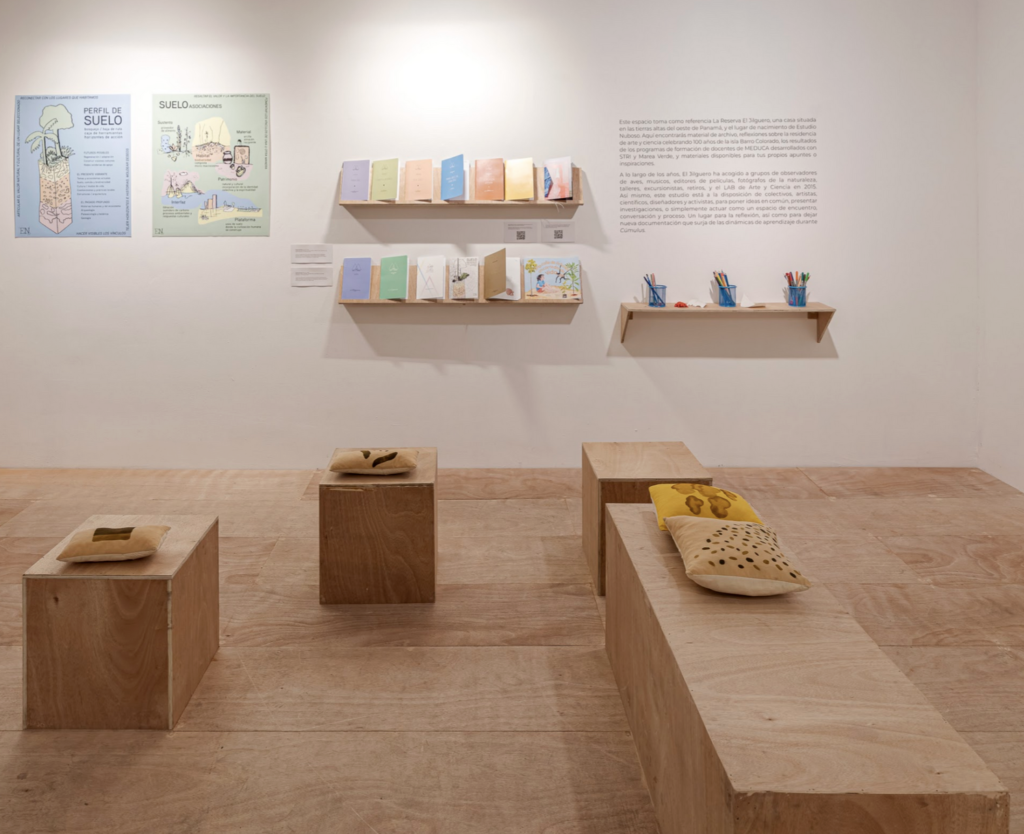
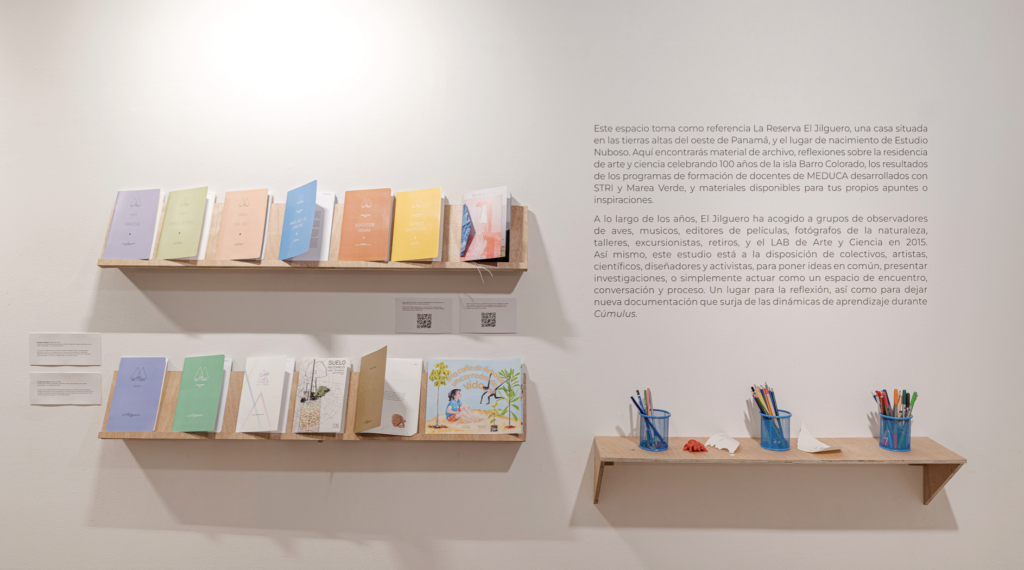
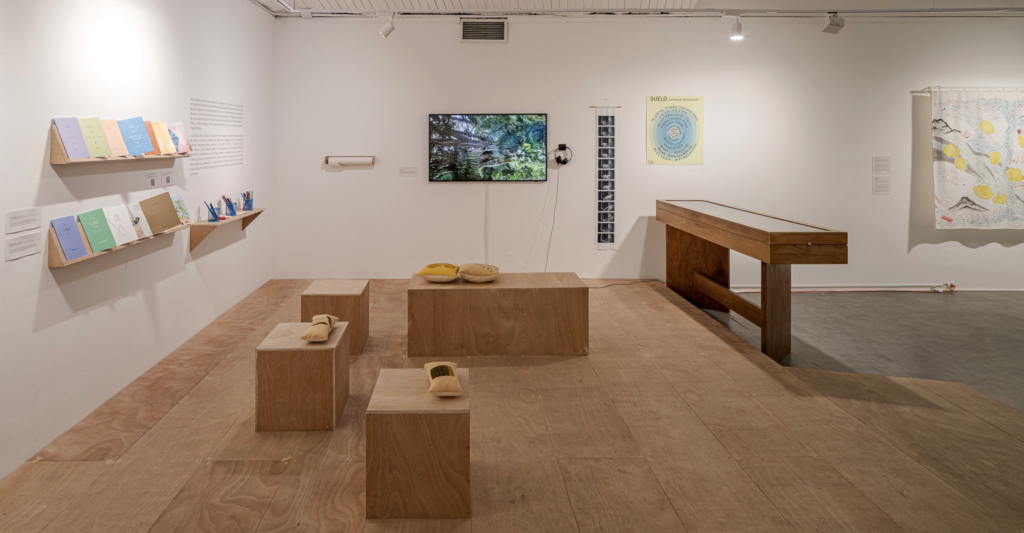
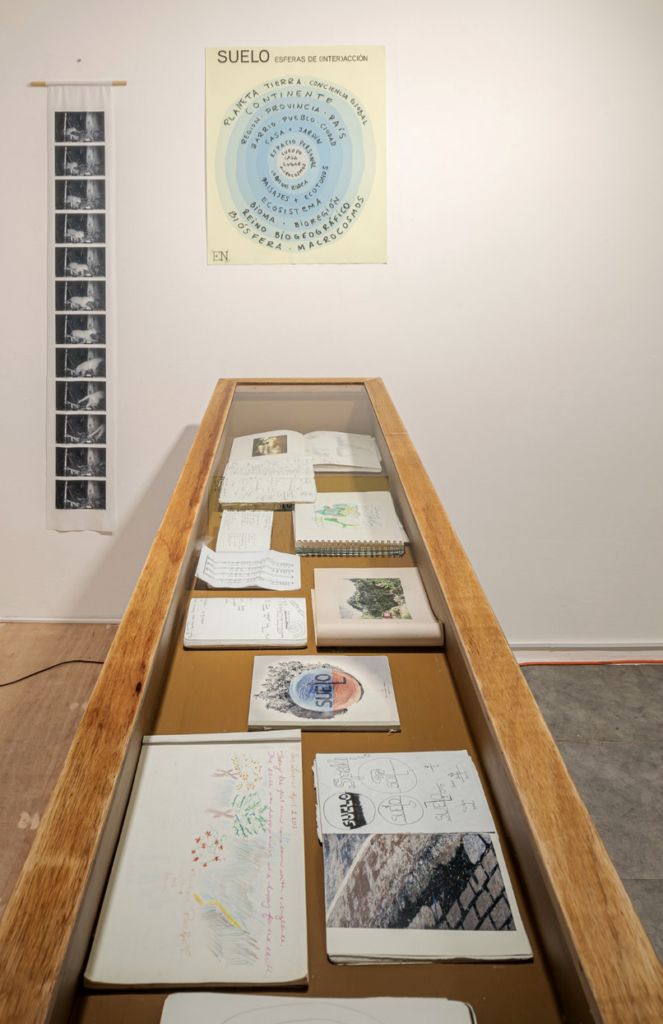
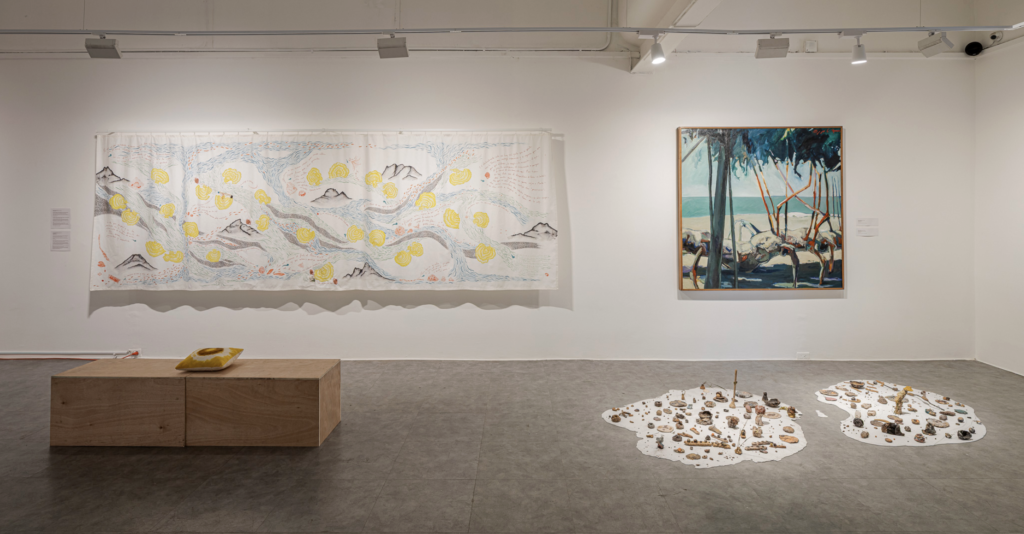
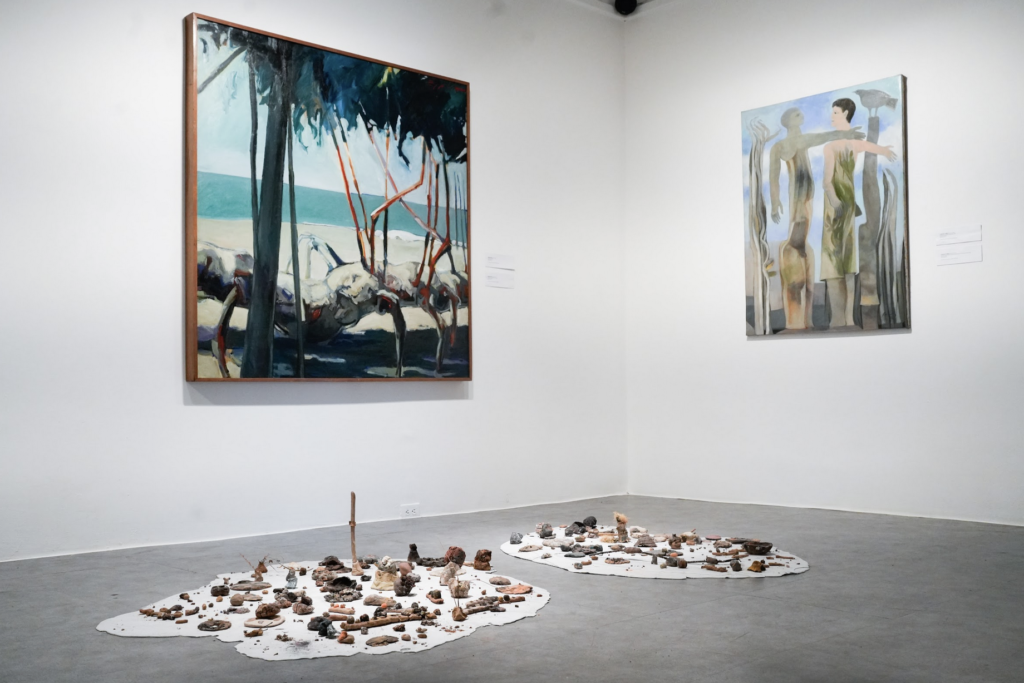
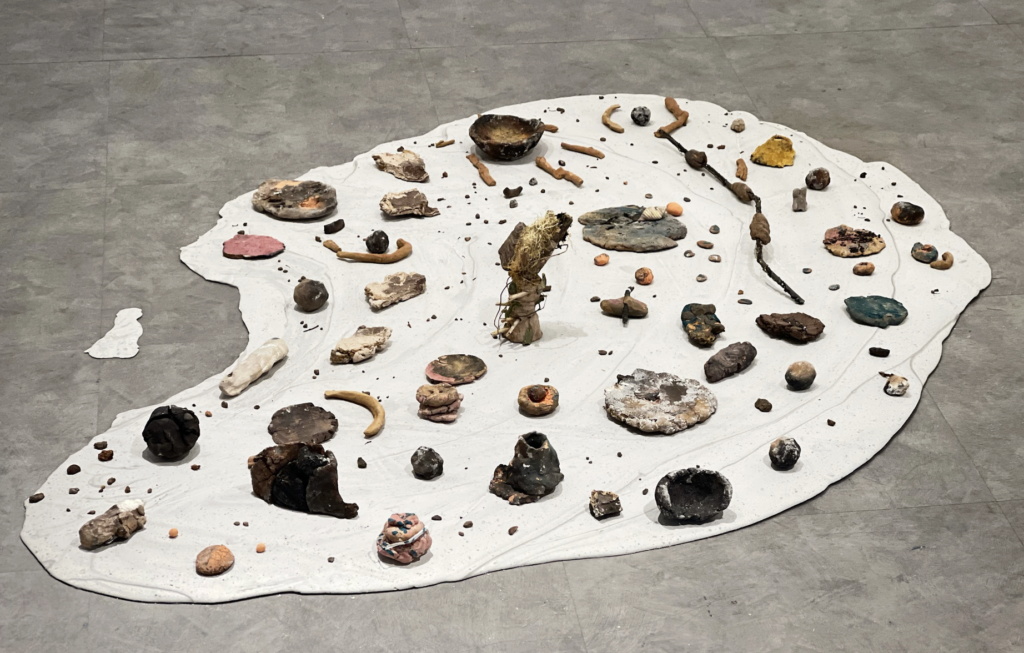
An additional workspace is also created inspired by El Jilguero Reserve, a house in the western highlands of Panama and where Estudio Nuboso was born as a project. This studio space is available to collectives, artists, scientists, and activists to share ideas, present research, or to simply serve as a meeting space for conversation and shared processes. It can be a place for reflection, to read Estudio Nuboso’s archival material, as well as to share new documentation that may arise from the learning dynamics during Cumulus.
In a country known for its biodiversity, threatened by big developments, mining projects and other forms of extraction, Estudio Nuboso has been a pioneer in bringing environmental issues and scientific research to the general public through art. Highlighting culture as a key engine for awareness, action and ecological transformation, Estudio Nuboso proposes the idea of a nature-culture solidarity corridor, and presents an exhibition accompanied by an expanded public program that can inspire and encourage intersectoral collaborations and support networks beyond geographic borders. Given the challenges we face globally, solidarity and collective work are imperative. And Estudio Nuboso is committed to working within art and culture as a space for practicing different forms of planetary consciousness, as well as new ways of inhabiting the Earth.
We thank all the people who have made the adventures of Estudio Nuboso possible in over a decade. There is a long list of collaborators, allies and advisors who have accompanied us in every step of the way. In particular we remember and thank those who are no longer with us: Carmen Alemán, Dr. Anthony Coates and Dr. Viviana Morales. For the production of this exhibition, we thank the museum team; Sylvia Pope and Rosamond Pope Meyer, Active Cultures (L.A.) and Green Art Lab Alliance, the Marea Verde Foundation, the Smithsonian Tropical Research Institute, and our families, networks, allies and friends for sustaining us.